

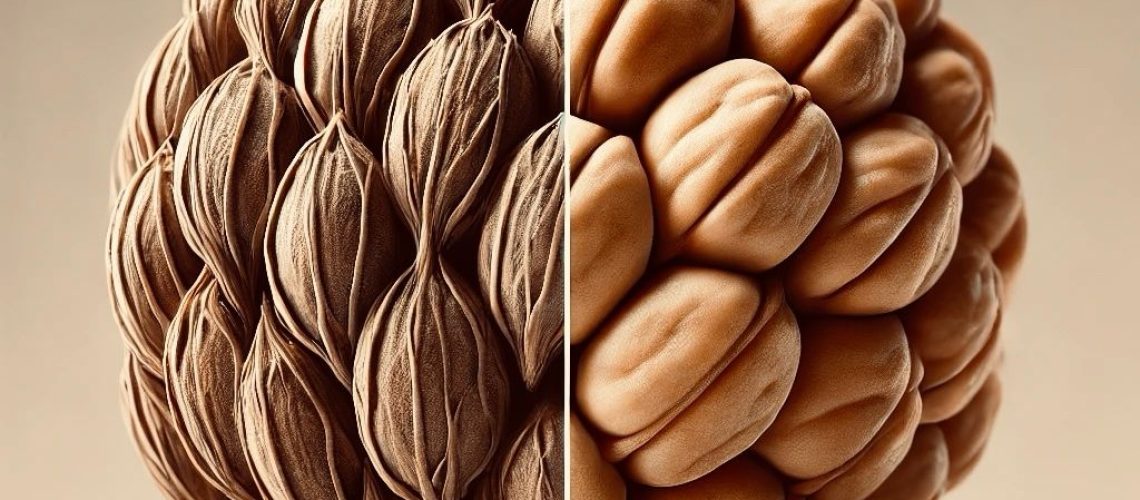
𝗡𝗮𝘁𝗶𝘃𝗲 𝗦𝗲𝗲𝗱𝘀 𝗼𝗿 𝗠𝗼𝗱𝗶𝗳𝗶𝗲𝗱 𝗦𝗲𝗲𝗱𝘀? 𝗪𝗵𝗶𝗰𝗵 𝗶𝘀 𝘁𝗵𝗲 𝗥𝗶𝗴𝗵𝘁 𝗣𝗮𝘁𝗵?
The use of modified seeds has increased crop yields, but on the other hand, native seeds help preserve biodiversity and are more resistant to natural conditions. In the long run, which method is better for agriculture?
Whether you’re a supporter of modified seeds or native ones, the question is: which approach will ensure the future of sustainable agriculture?
